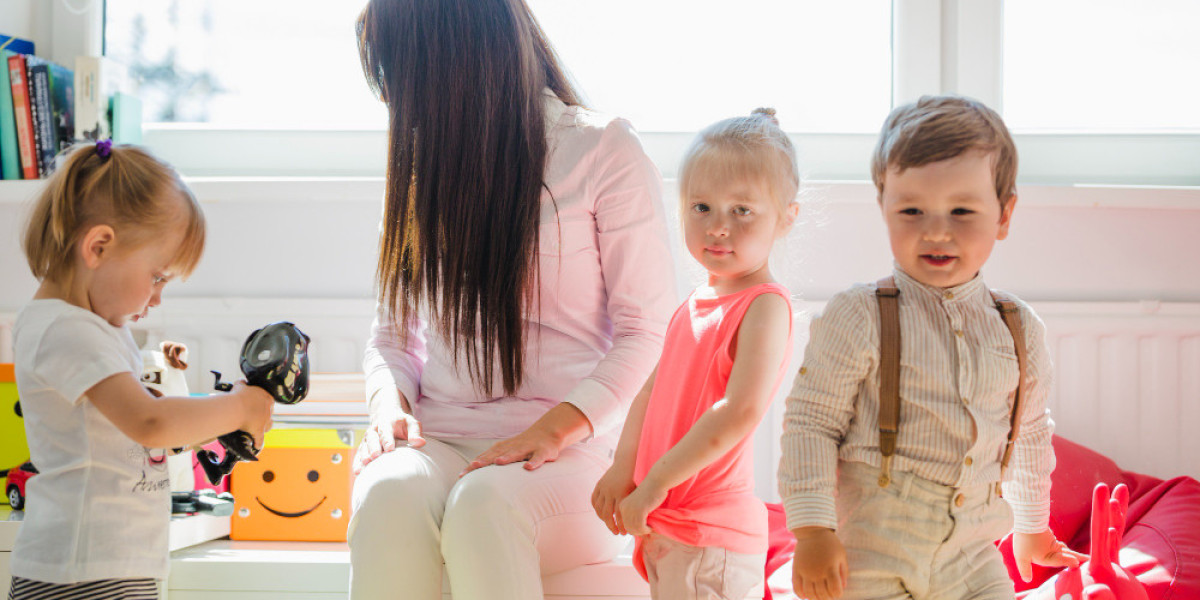

A preschool is often the first structured environment a child experiences outside the home. For young learners to grow with confidence and curiosity, the space around them must feel safe, clean, and caring. A nurturing preschool environment goes beyond colorful classrooms and fun activities—it is built on strong foundations of safety, hygiene, and thoughtful care that support a child’s physical, emotional, and mental well-being.
1. Safety as the Foundation of Trust
Safety is the cornerstone of any effective preschool. Child-friendly furniture, secure play areas, non-toxic materials, and proper supervision help prevent accidents and injuries. When children feel safe, they are more willing to explore, participate in activities, and interact with others. Clear safety protocols also reassure parents that their children are in a protected and well-managed environment.
2. Hygiene for Healthy Growth
Young children are still developing their immune systems, making hygiene a critical part of preschool care. Regular handwashing, clean classrooms, sanitized toys, and hygienic food practices reduce the risk of illness and create a healthier learning environment. Teaching children simple hygiene habits—such as washing hands before meals and after play—also builds lifelong healthy routines.
3. Clean Spaces Encourage Positive Learning
A clean and organized preschool environment promotes focus and comfort. Well-maintained classrooms, proper ventilation, and age-appropriate sanitation practices make children feel at ease. When the environment is neat and welcoming, children are better able to concentrate, play freely, and enjoy learning without distractions or discomfort.
4. Caring Educators Make the Difference
Safety and hygiene are most effective when paired with genuine care. Warm, attentive educators who understand children’s needs create emotional security. Simple actions like listening patiently, offering encouragement, and responding calmly to challenges help children feel valued and understood. This emotional support is essential for building confidence and healthy self-esteem.
5. Emotional Care and Routine
Consistent routines, gentle guidance, and positive reinforcement help children feel emotionally secure. Predictable schedules give children a sense of stability, while caring responses to emotions teach them how to express feelings appropriately. A nurturing preschool supports not just physical safety, but emotional well-being as well.
6. Partnering with Parents for Better Care
A truly nurturing preschool maintains open communication with parents. Sharing information about safety measures, hygiene practices, and a child’s daily experiences builds trust and cooperation. When parents and educators work together, children receive consistent care and support both at home and at school.
Conclusion
Creating a nurturing preschool means placing safety, hygiene, and care at the heart of early education. A secure and clean environment, guided by compassionate educators, allows children to grow, learn, and thrive with confidence. By prioritizing these essential elements, preschools lay a strong foundation for healthy development, joyful learning, and a positive start to a child’s educational journey.
From Play to Progress: How Daycare Social Settings Help Children Thrive
How Strong Communication Builds Trust in a Safe and Nurturing Preschool