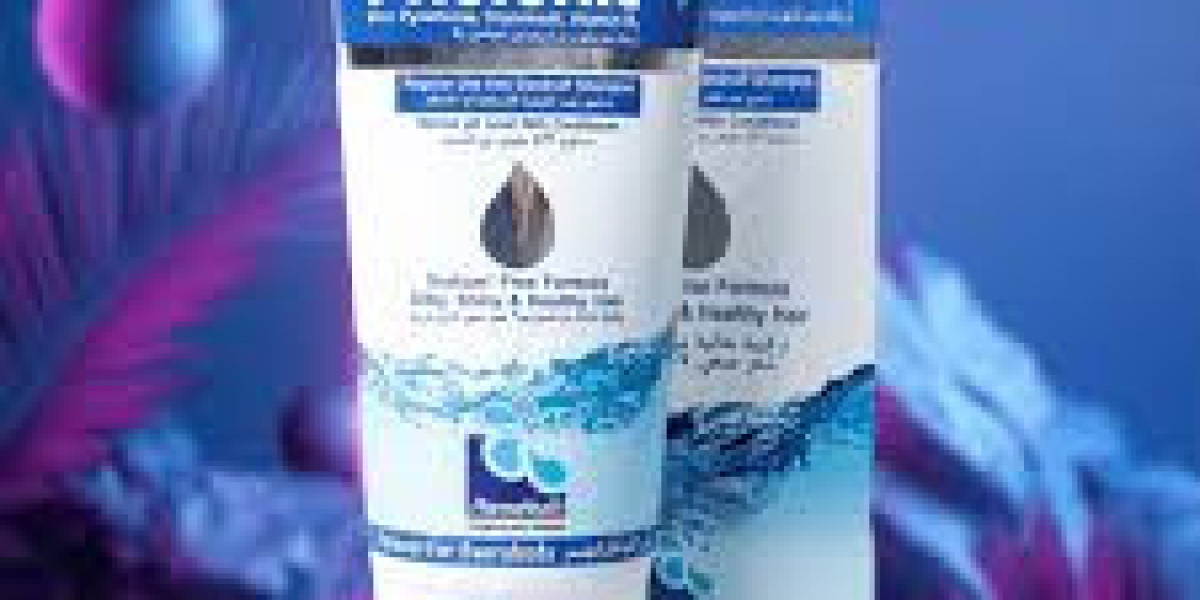

Introduction: When Flakes Become More Than a Minor Problem
Dandruff is often dismissed as a small inconvenience, but for many people, it becomes a persistent and frustrating issue. From visible flakes on clothing to an itchy, irritated scalp, it can affect both comfort and confidence. Choosing the best shampoo for dandruff is not about picking the most popular bottle—it’s about understanding your scalp and giving it exactly what it needs.
Why Dandruff Happens in the First Place
Before finding the solution, it’s important to understand the root of the problem. Dandruff is usually caused by an imbalance in the scalp environment. This can include:
Excess oil production
Sensitivity to certain hair products
A naturally occurring yeast that disrupts the scalp
Dry skin or seasonal changes
The key takeaway? Not all dandruff is the same, which means the “best shampoo” varies from person to person.
What Makes the Best Shampoo for Dandruff Stand Out
A high-quality dandruff shampoo does more than just wash your hair—it actively restores balance. The best options are designed to:
Calm irritation and itching
Remove flakes without over-drying
Control oil levels on the scalp
Prevent future buildup
Rather than aggressively stripping the scalp, effective shampoos work gently but consistently to improve scalp health.
Ingredients That Actually Make a Difference
Instead of focusing on branding, look at what’s inside the bottle. Some ingredients are particularly effective in targeting dandruff:
Zinc-based compounds: Help control scalp imbalance
Tea tree oil: Known for its refreshing and soothing effect
Salicylic acid: Assists in removing flaky buildup
Ketoconazole: Targets stubborn dandruff at its source
Aloe vera: Provides hydration and reduces irritation
A combination of these ingredients often delivers better results than relying on a single active component.
Selecting the Appropriate Shampoo for Your Hair Type
The “best shampoo for dandruff” isn’t universal—it depends on your hair and scalp condition.
For Oily Hair
Go for lightweight formulas that regulate oil without making hair greasy. Overly rich shampoos can worsen buildup.
For Dry Hair
Look for moisturizing ingredients that prevent further dryness while still addressing flakes.
For Sensitive Scalp
Choose gentle, fragrance-free products to avoid irritation. Mild formulas are key here.
For Thick or Curly Hair
Opt for shampoos that cleanse deeply without stripping natural moisture, maintaining hair texture.
How to Use Dandruff Shampoo the Right Way
When applied improperly, even the best shampoo won't function. Results may be enhanced using a few easy changes:
Apply shampoo to a fully wet scalp
Massage gently using fingertips, not nails
Leave it on for a few minutes before rinsing
Rinse thoroughly to avoid residue
Use consistently, not just when flakes appear
Consistency is more important than frequency. Regular care prevents dandruff from returning.
Mistakes That Make Dandruff Worse
Many people unknowingly worsen their condition by following the wrong habits:
Washing hair with very hot water
Switching products too frequently
Scratching the scalp aggressively
Skipping conditioner altogether
Ignoring diet and hydration
Avoiding these mistakes can significantly improve scalp health over time.
Beyond Shampoo: Supporting a Healthy Scalp
While shampoo plays a major role, it’s not the only factor. A holistic approach works best:
Maintain a balanced diet rich in nutrients
Stay hydrated throughout the day
Manage stress levels, which can affect scalp health
Keep hair tools and brushes clean
When combined with the right shampoo, these habits create long-lasting results.
How Long Before You See Results?
Patience is key. Some people notice improvement within a few washes, while others may need a couple of weeks. The objective is gradual improvement rather than sudden perfection. If dandruff persists despite consistent use, switching to a stronger formula may be necessary.
Conclusion: Finding Confidence in Consistency
The search for the best shampoo for dandruff isn’t about chasing trends—it’s about understanding your scalp and treating it with care. With the right ingredients, proper usage, and supportive habits, dandruff can be managed effectively.
Instead of seeing flakes as a recurring problem, think of them as a signal. Once you respond with the right routine, healthier, flake-free hair becomes a natural outcome—not a temporary fix.