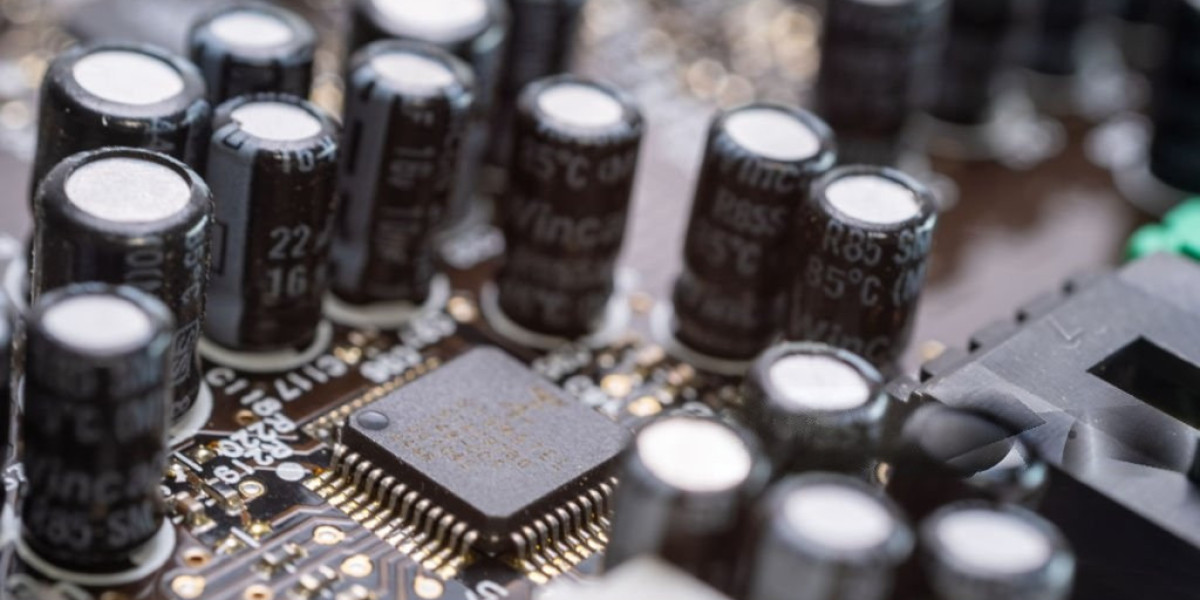

Power Factor Correction (PFC) capacitors play a critical role in modern electrical and HVAC systems, especially in Canada where energy efficiency, cost control, and regulatory compliance are top priorities. Whether you operate an industrial facility, commercial building, or HVAC system, optimizing your power factor can significantly reduce electricity costs and improve system performance.
What are Power Factor Correction Capacitors?
Power factor correction capacitors are used to improve the power factor of an electrical system by reducing reactive power and enhancing energy efficiency.
Simple Explanation:
Real Power (kW): Performs actual work
Reactive Power (kVAR): Supports magnetic fields in motors
Apparent Power (kVA): Total power supplied
PFC capacitors reduce unnecessary reactive power, improving the ratio between real and apparent power.
Why Power Factor Matters in Canada
Canadian utilities often impose penalties on businesses with low power factors.
Key Benefits of Power Factor Correction:
Lower electricity bills
Reduced demand charges
Improved voltage stability
Increased equipment lifespan
Expert Insight:
Working with a trusted supplier like En Trade ensures access to high-performance capacitors that meet Canadian efficiency standards.
1. Understand Your Power Factor Before Buying
Before selecting a capacitor, you must evaluate your system’s current power factor.
Ideal Range:
Target power factor: 0.90 to 0.99
How to Measure:
Use a power analyzer
Check utility bills
Consult an electrical engineer
Pro Tip:
Overcorrection (power factor above 1) can cause voltage instability—precision matters.
2. Choose the Right Capacitor Size (kVAR Rating)
Selecting the correct kVAR rating is critical for effective correction.
Key Considerations:
Total load (kW)
Existing power factor
Desired power factor
Expert Advice:
Avoid guesswork—accurate calculations ensure optimal performance and prevent system imbalance.
3. Fixed vs Automatic Capacitor Banks
Fixed Capacitors:
دائم (constant correction)
Suitable for stable loads
Automatic Capacitor Banks:
Adjust dynamically based on load
Ideal for industries with fluctuating demand
Best Practice:
For most commercial and industrial applications in Canada, automatic capacitor banks provide better efficiency and flexibility.
4. Ensure Compliance with Canadian Standards
Power factor correction systems must meet strict safety and efficiency standards.
Key Certifications:
CSA (Canadian Standards Association)
UL approval
IEEE compliance (for industrial systems)
Why It Matters:
Non-compliant systems can lead to penalties, inefficiency, and safety risks.
5. Consider Harmonics and System Distortion
Modern electrical systems often include non-linear loads such as:
Variable Frequency Drives (VFDs)
LED lighting
Computers and automation systems
These create harmonics, which can damage capacitors.
Solution:
Use detuned capacitor banks
Install harmonic filters
Expert Tip:
Ignoring harmonics can significantly reduce capacitor lifespan.
6. Focus on Quality and Durability
In Canada’s diverse climate, durability is essential.
Look for:
Overpressure protection
तापमान सहनशीलता (temperature resistance)
Self-healing dielectric technology
Recommendation:
Choose premium-quality capacitors from En Trade to ensure long-term reliability.
7. Proper Installation Practices
Incorrect installation can lead to inefficiency and safety hazards.
Installation Tips:
Ensure proper ventilation
Avoid high-temperature areas
Use correct wiring and protection devices
Safety Note:
Always follow local electrical codes and use certified professionals.
8. Maintenance and Monitoring
Regular maintenance ensures optimal performance and prevents failures.
Maintenance Checklist:
Inspect for bulging or leakage
Measure capacitance levels
Check connections and wiring
Monitor temperature and load condi
9. Cost Savings and ROI Analysis
Power factor correction is a high-ROI investment.
Financial Benefits:
Reduced utility penalties
Lower energy consumption
Extended equipment life
Example Insight:
Many Canadian businesses recover their investment in 6–18 months through energy savings.
10. Partner with the Right Supplier
Choosing the right supplier is as important as selecting the right capacitor.
What to Look For:
Technical expertise
Reliable inventory
Competitive pricing
After-sales support
Recommendation:
En Trade provides high-quality power factor correction capacitors tailored to Canadian industry needs, along with expert guidance and dependable service.
11. Future Trends in Power Factor Correction
The industry is evolving rapidly with new technologies:
Smart capacitor banks with IoT monitoring
AI-based load management
Energy-efficient designs
Industry Insight:
Adopting advanced solutions can give businesses a competitive advantage in energy management.
Conclusion
Power factor correction capacitors are essential for improving energy efficiency, reducing costs, and ensuring compliance in Canada’s industrial and commercial sectors. By selecting the right capacitor, addressing harmonics, and following proper installation and maintenance practices, businesses can achieve significant operational benefits.
Partnering with a trusted supplier like En Trade ensures access to high-quality products, expert advice, and long-term support helping you optimize your power systems and maximize ROI.
FAQs
1. What is a good power factor for industrial systems?
A power factor between 0.90 and 0.99 is considered ideal.
2. Can power factor correction reduce electricity bills?
Yes, it lowers demand charges and eliminates utility penalties.
3. What are harmonic filters, and why are they important?
They reduce electrical distortion caused by non-linear loads, protecting capacitors and equipment.
4. How often should PFC capacitors be maintained?
At least once or twice a year, depending on usage and environment.
5. Where can I buy reliable PFC capacitors in Canada?
Trusted suppliers like En Trade offer certified, high-quality solutions with expert support.