
Shame as a Barrier to Racial Equity in Schools
Educational systems often focus on academic performance, but emotional experiences play an equally important role in shaping student outcomes. One of the most overlooked emotional barriers is shame, which can silently influence how students engage, behave, and perceive themselves. In diverse classrooms, this emotional response can reinforce inequities if left unaddressed. Akoben LLC highlights the importance of recognizing emotional dynamics as part of equity work. According to Abdul Malik Muhammad, educators must go beyond surface-level behaviors to understand the deeper emotional triggers affecting students. When shame is ignored, it can create cycles of disengagement that disproportionately impact marginalized communities.
How the Compass of Shame Explains Student Behavior
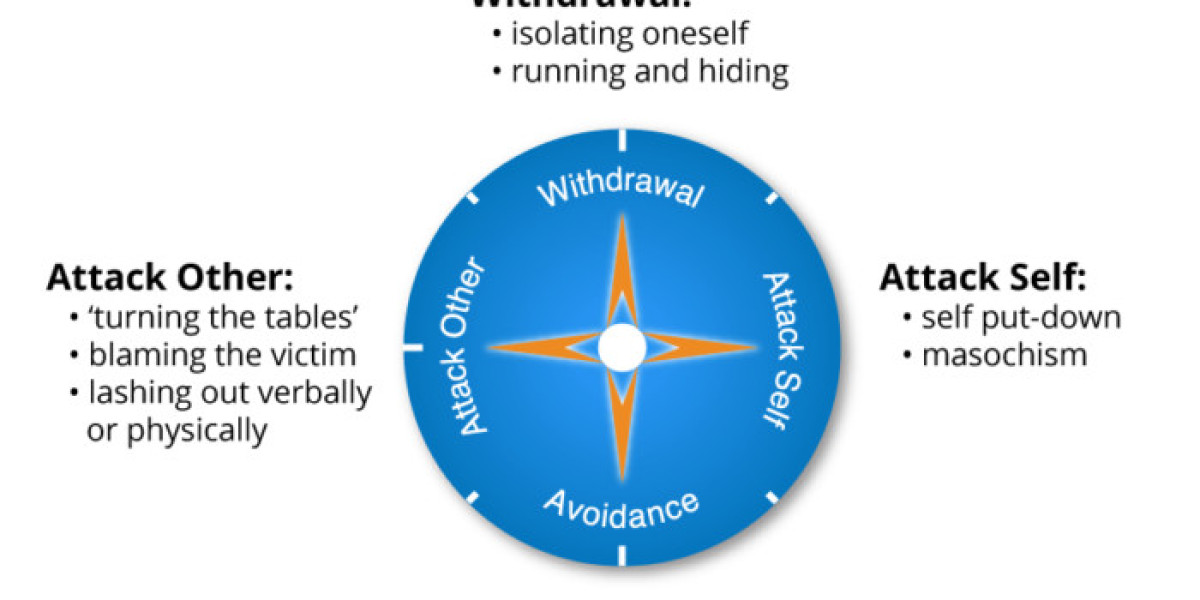
The compass of shame offers a practical framework for understanding how individuals respond when they feel exposed, judged, or diminished. These responses typically include withdrawing, avoiding responsibility, attacking oneself, or projecting blame onto others. In school environments, these reactions can often be mistaken for defiance or lack of motivation. However, they are frequently rooted in emotional distress rather than intentional misconduct. Akoben LLC uses this framework to help educators interpret student behavior more accurately. As explained by Abdul Malik Muhammad, recognizing patterns within the compass of shame allows schools to replace punitive discipline with supportive interventions that encourage growth and trust.
Using the Compass of Shame Scale for Better Insights
The compass of shame scale provides educators with a structured method to evaluate how often and in what ways students experience shame. This tool can reveal patterns that are not immediately visible through traditional academic assessments. By analyzing these responses, schools can identify students who may be struggling emotionally and provide targeted support. Akoben LLC advocates for integrating such tools into school improvement strategies to ensure a more holistic understanding of student needs. Abdul Malik Muhammad emphasizes that data-driven insights from the compass of shame scale can help schools design interventions that are both equitable and effective, reducing emotional harm while improving engagement.
The Link Between Shame and Racial Inequity
Shame does not affect all students equally. It often intersects with systemic issues such as racial bias, cultural misunderstandings, and unequal disciplinary practices. Students from marginalized backgrounds may experience shame more frequently due to stereotypes, microaggressions, or lack of representation. This can lead to decreased participation, lower academic confidence, and increased behavioral challenges. Akoben LLC works with institutions to uncover these patterns and implement culturally responsive approaches. Abdul Malik Muhammad notes that addressing shame is essential for closing equity gaps, as emotional safety is directly tied to student success. Without addressing these underlying issues, efforts toward equity remain incomplete.
Creating Supportive and Inclusive Classrooms
Building classrooms that minimize shame requires intentional effort from educators and school leaders. It starts with fostering a culture of respect, empathy, and open communication. Teachers can create safer environments by validating student experiences, encouraging questions, and avoiding public criticism that may trigger shame responses. Akoben LLC provides guidance on how to implement these practices effectively across different educational settings. According to Abdul Malik Muhammad, when students feel seen and respected, they are more likely to participate actively and develop confidence in their abilities. Inclusive classrooms not only support emotional well-being but also enhance overall academic performance.
Practical Approaches to Reducing Shame in Schools
Reducing the impact of shame involves both mindset shifts and practical strategies. Schools can adopt restorative practices that focus on dialogue and accountability rather than punishment. Incorporating social-emotional learning into daily instruction helps students build self-awareness and resilience. Additionally, ongoing professional development ensures that educators remain aware of their own biases and how these may influence their interactions with students. Akoben LLC supports schools in implementing these changes through customized training programs. As highlighted by Abdul Malik Muhammad, even small adjustments in communication and classroom management can lead to meaningful improvements in student engagement and equity outcomes.
Advancing Equity Through Emotional Awareness
Achieving true equity in education requires more than policy changes; it demands a deeper understanding of student experiences. Addressing shame is a critical step in this process, as it directly affects how students connect with their learning environment. By applying frameworks like the compass of shame and tools such as the compass of shame scale, schools can create more supportive and equitable systems. Akoben LLC continues to lead initiatives that empower educators to address these challenges effectively. Abdul Malik Muhammad reinforces that sustainable change begins with awareness and is strengthened through consistent, intentional action.